Wool Rug Maintenance: Mildew
Wool rugs are prized for their durability, aesthetic appeal, and natural warmth. However, proper maintenance is crucial to ensure their longevity. Among the various challenges in maintaining wool rugs, mildew is a common yet often overlooked issue. Understanding how mildew develops and how to address it effectively can help you keep your wool rug in prime condition for years. This comprehensive guide will take you through the steps of identifying, preventing, and eliminating mildew from your wool rug.
What is Mildew?
Mildew is a type of fungus that thrives in moist and humid environments. It typically appears as a white, gray, or greenish powdery substance on surfaces and can emit a musty odor. Mildew can damage natural fibers like wool, weakening the fabric and causing unsightly stains. Furthermore, it can pose health risks, especially for individuals with respiratory conditions or allergies.
Signs of Mildew on Wool Rugs
Before tackling mildew, you need to identify its presence on your wool rug. Here are some telltale signs:
- Visible Spots: Mildew often manifests as small, discolored spots on the rug's surface.
- Odor: A musty, damp smell is a strong indicator of mildew.
- Fiber Weakening: Mildew can weaken and break down the wool fibers, making the rug feel brittle over time.
- Discoloration: The affected areas might appear darker or discolored compared to the rest of the rug.
Causes of Mildew in Wool Rugs
Understanding the causes of mildew can help you prevent its occurrence:
- Humidity: High humidity levels provide an ideal environment for mildew growth.
- Spills and Flooding: Liquid spills and flooding can saturate the rug, leading to mold and mildew if not dried promptly.
- Poor Ventilation: Limited airflow, especially in rooms with wool rugs, can trap moisture and promote mildew growth.
- Improper Cleaning: Using excessive water during cleaning without adequate drying can contribute to mildew.
Preventing Mildew on Wool Rugs
Prevention is always better than cure. Here are some effective measures to prevent mildew on your wool rug:
Maintain Optimal Humidity Levels
Use dehumidifiers or air conditioners to maintain humidity levels between 30% and 50% in your home. This will create an inhospitable environment for mildew growth.
Promptly Address Spills
Immediate action on spills is crucial. Blot the spill with a clean, dry cloth to absorb as much liquid as possible. Avoid rubbing, as this can push the liquid deeper into the fibers.
Regular Cleaning
Vacuum your wool rug regularly to remove dirt and debris that can trap moisture, leading to mildew. Ensure that you use a vacuum with a HEPA filter to capture fine particles.
Adequate Ventilation
Ensure proper ventilation in rooms with wool rugs. Open windows and use fans to enhance airflow, especially after cleaning or during humid weather.
Professional Cleaning
Opt for professional rug cleaning services every 12 to 18 months. Professionals use specialized techniques to deep clean and dry the rug, significantly reducing the risk of mildew.
Removing Mildew from Wool Rugs
If you discover mildew on your wool rug, prompt action is essential. Here's a step-by-step guide to removing mildew:
Preparation
Wear protective gloves and a mask to prevent inhaling mildew spores. Move the rug outdoors if possible to avoid contaminating indoor air.
Vacuum Thoroughly
Begin by vacuuming the rug thoroughly to remove loose spores and debris. Use a vacuum with a HEPA filter for optimal results.
Create a Cleaning Solution
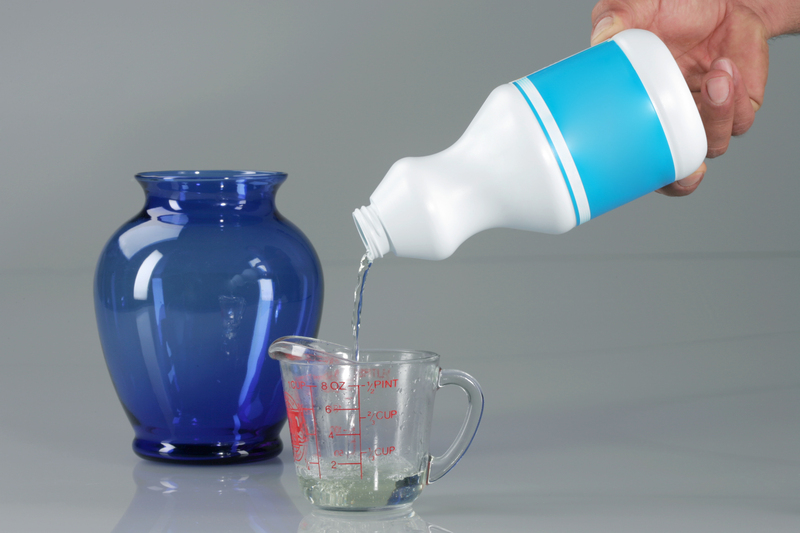
Mix one part white vinegar with four parts water in a spray bottle. Vinegar's acidic nature helps kill mildew without damaging the wool fibers.
Spot Test
Before applying the cleaning solution to the entire rug, perform a spot test on a small, inconspicuous area to ensure it does not cause discoloration or damage.
Clean the Affected Areas
Spray the cleaning solution onto the mildew-affected areas. Let it sit for 10-15 minutes, allowing the vinegar to penetrate and kill the mildew. Blot the area with a clean cloth to absorb the solution and mildew.
Rinse and Dry
After blotting, rinse the area with clean water to remove any residual vinegar. Blot with a dry cloth to absorb excess water. Place the rug in a well-ventilated area or use fans to expedite drying.
Professional Assistance
If the mildew problem persists or if the rug is extensively infested, seek professional cleaning services. Professionals have access to advanced cleaning solutions and equipment to effectively remove mildew.
Conclusion
Maintaining a wool rug requires diligence, especially when it comes to preventing and addressing mildew. By understanding the signs, causes, and preventive measures, you can protect your rug from mildew-related damage. Regular cleaning, prompt spill management, and proper ventilation are key to preventing mildew growth. In cases where mildew has already set in, following the outlined cleaning steps or seeking professional help can restore your wool rug to its former glory. With these strategies, your wool rug can continue to be a cherished addition to your home for many years to come.