Techniques to Tackle Persistent Stains
Stains are an inevitable part of life, whether it's a wine spill at a dinner party or a grass mark from playing outside. While some stains come out with ease, others are stubborn and seem nearly impossible to remove. This article will delve into the various techniques to tackle persistent stains effectively, ensuring your fabrics, carpets, and surfaces look as good as new.
Understanding the Stain Composition
Before diving into the actual removal techniques, it is crucial to understand what stains are. Stains consist of substances that adhere to surfaces and fabrics, often seeping into fibers or pores. These substances can include organic matter like food, inorganic materials like ink, or a mixture of both. The composition of the stain plays a significant role in determining the best removal approach.
Pre-Treatment Is Key
One of the most important steps in removing stubborn stains is pre-treatment. This involves applying a solution to the stained area before you launder or clean it.
1. Blot, Don't Rub: Immediately after the stain occurs, blot the area with a clean cloth or paper towel. Rubbing can spread the stain and push it deeper into the fibers.
2. Choose the Right Pre-Treatment: Select a pre-treatment product that is appropriate for the type of stain. For instance, enzymatic cleaners work well for organic stains like blood or food.
3. Soak in Cold Water: Especially for protein-based stains like blood or sweat, soak the item in cold water. Hot water can set these stains, making them harder to remove.
Common Household Stains and How to Treat Them
Here are some common household stains along with specific techniques to tackle them:
1. Red Wine Stains
- Salt and Boiling Water: After blotting the stain, sprinkle salt on it. Pour boiling water over the salted area from a height of around 8 inches.
- Club Soda: Another method involves pouring club soda on the stain and blotting with a clean cloth.
2. Coffee Stains
- Baking Soda: Make a paste of baking soda and water, then apply it to the stain. Let it sit for a few minutes, then dab away with a damp cloth.
- Vinegar and Dish Soap: Mix one part white vinegar with one part dish soap. Apply to the stain, let it sit for 10 minutes, and rinse.
3. Ink Stains
- Rubbing Alcohol: Dab the stained area with a cloth soaked in rubbing alcohol. Do not saturate the fabric, as this can cause the ink to spread.
- Hair Spray: Spray a generous amount of hair spray on the stain, let it sit for a few minutes, then blot it away.
4. Oil and Grease Stains
- Corn Starch or Baby Powder: Sprinkle on the affected area and let it sit to absorb the grease. Afterward, brush off the powder.
- Dish Soap: Apply directly to the stain and let it sit for 10 minutes before rinsing.
Advanced Techniques for Stubborn Stains
Sometimes, basic methods are not enough for exceptionally persistent stains. For these cases, more advanced techniques might be required.
1. Enzymatic Cleaners
Enzymatic cleaners break down the molecules of organic stains. These are especially helpful for protein-based stains like blood, sweat, and food. Follow the product instructions closely for best results.
2. Oxygen Bleach
Unlike chlorine bleach, oxygen bleach is safe for most fabrics and colors. It works by releasing oxygen to lift stains away. Prepare a soak solution and immerse the stained item for several hours.
3. Dry-Cleaning Solvents
For delicate fabrics or tough stains that won't budge, dry-cleaning solvents can be a good option. These are usually available at drugstores and are applied directly to the stain before laundering.
Natural Remedies: Eco-friendly Options
If you're looking for eco-friendly solutions, there are several natural remedies that can be just as effective in removing stubborn stains.
1. Lemon Juice and Sunlight
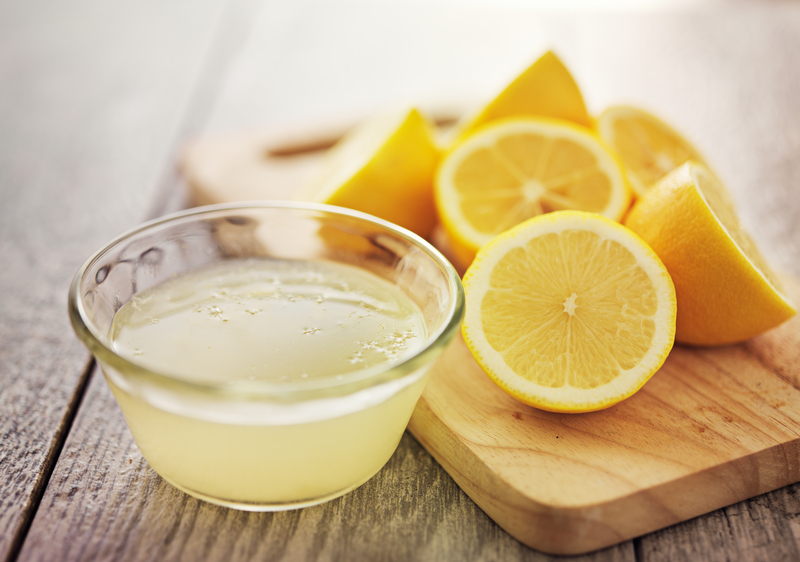
Lemon juice is a natural bleaching agent. Apply lemon juice directly to the stain and leave the item in the sun. The combination of citric acid and UV rays will help lighten the stain.
2. White Vinegar and Baking Soda
These common household items can work wonders. Pour white vinegar onto the stained area, then sprinkle baking soda over it. Once the fizzing stops, scrub the area with a brush and rinse.
Tips for Stain Prevention
While learning techniques to tackle persistent stains is essential, preventing them in the first place can save you a lot of trouble. Here are some useful tips:
1. Treat Stains Immediately: The longer a stain sits, the harder it is to remove.
2. Use Protective Covers: Tablecloths, sofa covers, and carpet protectors can help shield your surfaces from potential stains.
3. Teach Good Habits: Educate family members about the importance of immediate stain treatment and use coasters, napkins, and placemats to minimize risk.
Conclusion
Stains are an unavoidable part of everyday life, but that doesn't mean they have to leave a lasting impact. From understanding the composition of stains to utilizing advanced and natural techniques, you can effectively tackle even the most persistent marks. Prompt action, appropriate pre-treatment, and selecting the correct stain removal method are key to keeping your fabrics and surfaces looking pristine. Remember, prevention is always better than cure, so implementing a few smart strategies can save you much effort in the long run.