Germ Control in Residences
Germ control is essential in maintaining the health and well-being of everyone in a household. Although it might seem overwhelming, following a few strategic tips can make a significant difference in keeping your home free from pathogens. Preventing the spread of germs in your home is a multi-faceted approach that combines good hygiene practices, regular cleaning, and the use of effective sanitization methods.
The Importance of Germ Control
Germs are everywhere--in our homes, on our hands, and on the surfaces we touch. They can introduce a myriad of illnesses, ranging from the common cold to more severe conditions like influenza and foodborne diseases. Practicing proper germ control in residences safeguard against these health risks.
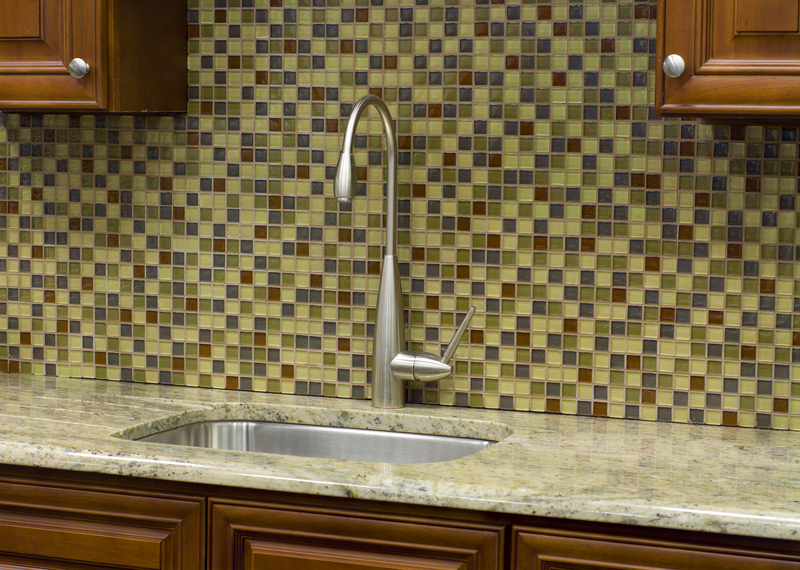
Common Germ Hotspots in Your Home
Certain areas in the house are more susceptible to germs than others:
1. Kitchen: Countertops, cutting boards, and handles can harbor bacteria from raw food.
2. Bathroom: Toilets, sinks, and faucets are often breeding grounds for bacteria and viruses.
3. Living Areas: Commonly-touched objects like remote controls, door handles, and light switches.
4. Bedrooms: Bed linens and pillows can accumulate dust mites and other allergens.
Effective Cleaning Practices
Regular cleaning is crucial, but it must be done properly to ensure germ control:
1. Disinfect Surfaces: Use EPA-approved disinfectants for wiping down high-touch surfaces.
2. Wash Hands Frequently: Always wash hands with soap and water for at least 20 seconds, especially after handling raw meat, using the bathroom, or coughing.
3. Vacuum and Mop Floors: Floors can accumulate dirt and bacteria, so regular vacuuming and mopping are essential.
4. Laundry: Wash bed linens, towels, and clothing in hot water to kill germs that might be lingering.
Sanitization Techniques
Sanitization goes a step further than cleaning by reducing the number of germs to a safe level as judged by public health standards:
1. Air Purifiers: Using air purifiers with HEPA filters can help reduce airborne allergens and germs.
2. UV Light: UV light sanitizers can be used on surfaces to kill bacteria and viruses.
3. Sanitizing Wipes: Convenient for quick cleans of high-touch surfaces like doorknobs and light switches.
Tips for Keeping Germs at Bay
1. Encourage Hygiene: Make sure all family members practice good hygiene, such as covering mouths when coughing.
2. Declutter: Germs can accumulate in cluttered areas, making cleaning more challenging.
3. Proper Food Storage: Store food correctly to avoid contamination.
4. Pet Hygiene: Regularly bathe and clean pets to prevent germ spread.
Pros and Cons of Germ Control Methods
Pros:
- Health Benefits: Reduced chances of illness and infection.
- Peace of Mind: Knowing your home environment is as germ-free as possible.
Cons:
- Time-Consuming: Proper cleaning and disinfecting require time and effort.
- Cost: Some germ control methods, like UV sanitizers and air purifiers, can be expensive.

Takeaways
Effective germ control combines proper cleaning, sanitizing, and personal hygiene practices to maintain a healthy home environment. Identifying common germ hotspots and using the right products can go a long way in keeping germs at bay.
Conclusion
Maintaining germ control in your residence is essential for a healthy lifestyle. By understanding the common hotspots, implementing effective cleaning and sanitizing methods, and encouraging good practices among household members, you can significantly reduce the risk of infections. While it may require some effort and investment, the benefits far outweigh the drawbacks, ensuring a cleaner and safer living environment for you and your family.