Bathroom Disinfection: Vinegar Methods
Maintaining a germ-free bathroom is crucial for the health and well-being of household members. While many commercial cleaning products contain harsh chemicals that can be harmful to people and pets, there is a natural and effective alternative: vinegar. Vinegar, especially white distilled vinegar, is a versatile and eco-friendly cleaning solution that has been used for decades to clean and disinfect various surfaces. This article explores various methods of using vinegar for bathroom disinfection.
Properties of Vinegar
Vinegar, primarily composed of acetic acid and water, is widely known for its antibacterial, antifungal, and antiviral properties. The acidity of vinegar makes it effective in breaking down grime, soap scum, and mineral deposits. Additionally, vinegar can neutralize odors, making it a multifaceted cleaning agent.
When discussing vinegar for cleaning purposes, the focus is mainly on white distilled vinegar, which is both inexpensive and readily available. It is important to remember that while vinegar is excellent for general disinfection, it is not effective against all pathogens. For example, it does not kill all strains of bacteria or viruses, so it should be used in conjunction with other cleaning practices for a thoroughly disinfected bathroom.
General Bathroom Cleaning with Vinegar
Using vinegar for general bathroom cleaning is simple and cost-effective. Here are some steps to follow:
- Prepare a cleaning solution by mixing equal parts of white distilled vinegar and water in a spray bottle.
- Spray the solution onto bathroom surfaces, including countertops, sinks, toilet exteriors, and shower walls.
- Allow the solution to sit for a few minutes to break down grime and soap scum.
- Wipe the surfaces with a clean cloth or sponge. For stubborn stains, gently scrub the area with a brush.
- Rinse with water to remove any vinegar residue, then dry with a clean towel to prevent water spots.
Tackling Mold and Mildew
Mold and mildew thrive in damp, humid environments like bathrooms. Fortunately, vinegar is effective at eliminating these fungi:
- Fill a spray bottle with undiluted white vinegar.
- Spray the vinegar directly onto the affected areas, such as shower curtains, tiles, and grout.
- Let the vinegar sit for at least an hour to penetrate and kill the mold and mildew.
- Scrub the area with a brush to remove the fungi.
- Rinse thoroughly with water and dry the surfaces to prevent mold re-growth.
Cleaning Toilets with Vinegar
The toilet is one of the most frequently used fixtures in the bathroom and requires regular disinfection. Vinegar can effectively clean and deodorize the toilet:
- Pour a cup of white vinegar into the toilet bowl.
- Allow the vinegar to sit for at least 15 minutes to break down stains and bacteria.
- Scrub the toilet bowl with a toilet brush, ensuring to clean under the rim.
- Flush the toilet to rinse away the vinegar and debris.
- For extra stubborn stains or mineral deposits, sprinkle baking soda into the bowl along with the vinegar and let it sit for a few minutes before scrubbing and flushing.
Disinfecting Bathroom Floors
Bathroom floors can harbor germs, bacteria, and dirt. Vinegar can be used to clean and disinfect various types of flooring:
- Create a cleaning solution by mixing one cup of white vinegar with a gallon of warm water.
- Mop the bathroom floor with the vinegar solution, making sure to reach corners and crevices.
- For tough stains, apply undiluted vinegar directly to the area and scrub with a brush.
- Rinse the floor with clean water to remove any vinegar residue.
- Allow the floor to air dry or wipe with a clean towel.
Descaling Showerheads and Faucets
Mineral deposits can accumulate on showerheads and faucets over time, affecting water flow. Vinegar can effectively remove these deposits:
- Fill a plastic bag with white vinegar.
- Place the bag over the showerhead or faucet so that it is submerged in the vinegar.
- Secure the bag with a rubber band and let it sit for a few hours or overnight.
- Remove the bag and scrub the showerhead or faucet with an old toothbrush to dislodge any remaining deposits.
- Rinse thoroughly with water to remove any vinegar residue.
Cleaning Glass and Mirrors
Vinegar is an excellent solution for cleaning glass and mirrors, leaving them streak-free and shiny:
- Mix equal parts of white vinegar and water in a spray bottle.
- Spray the solution onto the glass or mirror surfaces.
- Wipe with a clean, lint-free cloth or paper towel in a circular motion.
- For stubborn spots, use undiluted vinegar and a microfiber cloth for additional cleaning power.
- Buff the surface with a dry cloth to remove any remaining streaks.
Additional Tips and Precautions
While vinegar is a powerful and natural cleaner, it is essential to keep a few tips and precautions in mind:
- Never mix vinegar with bleach or ammonia, as this can create toxic fumes.
- Test vinegar on a small, inconspicuous area before using it on delicate surfaces to ensure it does not cause damage.
- Vinegar may not be suitable for natural stone surfaces like granite or marble, as its acidity can damage the stone. Use specialized cleaners for these surfaces.
- For best results, use white distilled vinegar with an acidity level of around 5%. Higher concentrations can be too harsh for some surfaces.
- Ensure proper ventilation when cleaning with vinegar to avoid the strong odor. The smell will dissipate as the vinegar dries.
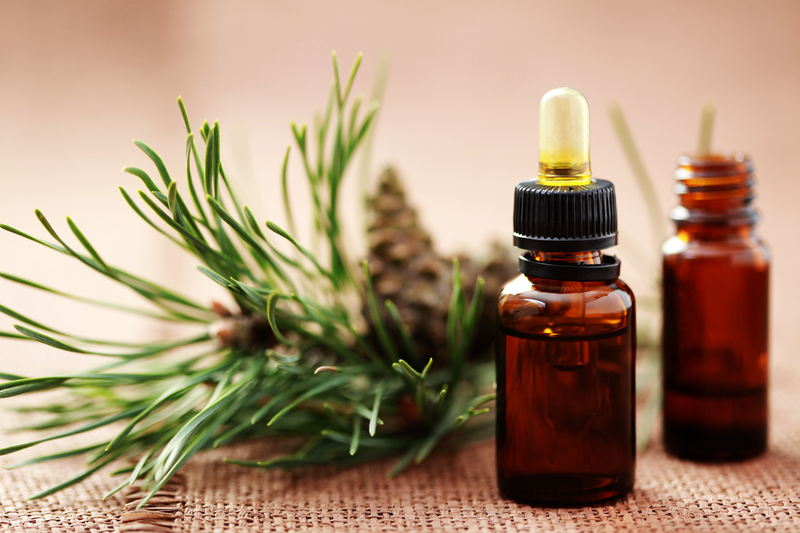
- Consider adding essential oils, such as tea tree oil or lavender, to the vinegar cleaning solution for added antibacterial properties and a pleasant scent.
Conclusion
Vinegar is a versatile, cost-effective, and eco-friendly solution for bathroom disinfection. Whether tackling mold and mildew, cleaning toilets, or descaling faucets, vinegar can achieve a clean, germ-free bathroom. By incorporating vinegar into your cleaning routine, you can reduce reliance on harsh chemicals and promote a healthier environment for your household. Remember to follow the recommended methods and precautions for safe and effective cleaning results.